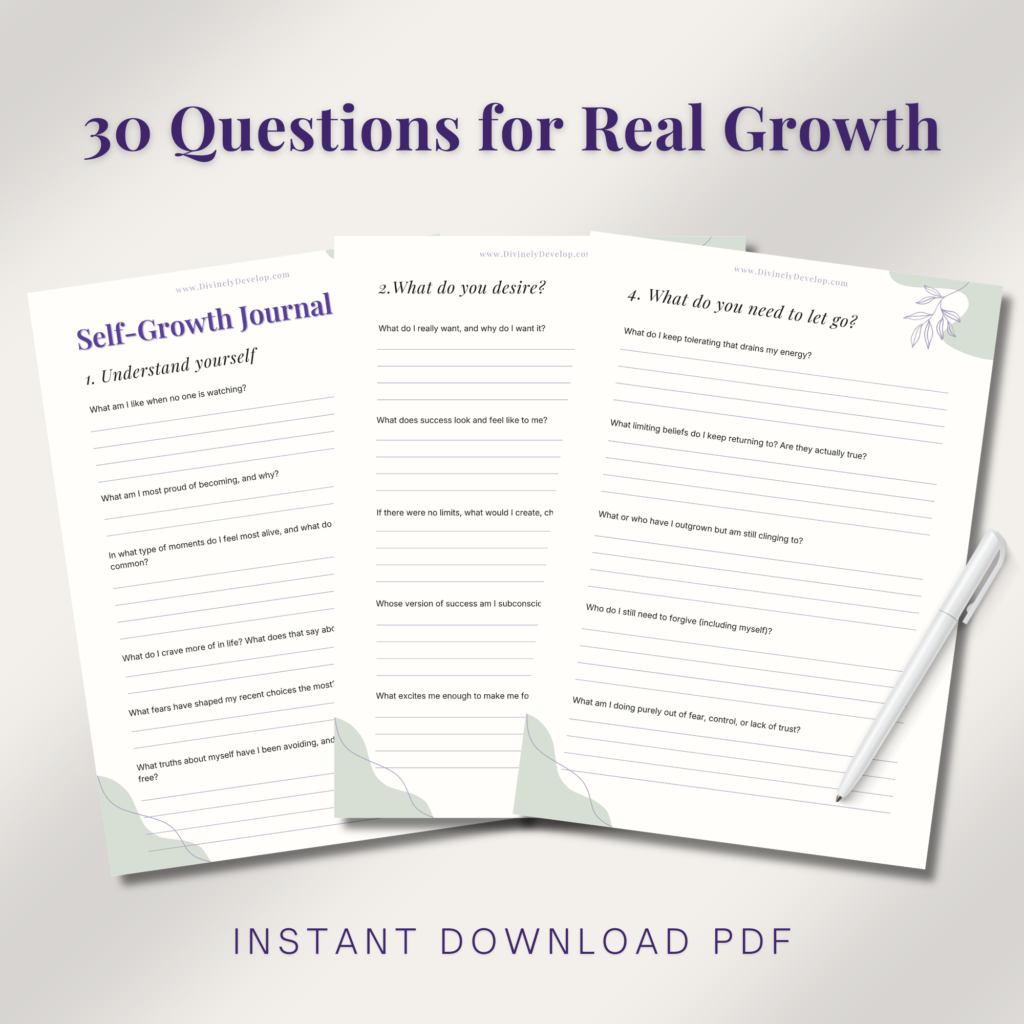

These self-improvement statistics offer a snapshot of how people are—or aren’t—moving forward in areas of personal development, self-awareness, goal-setting, self-care, and mindfulness practices.
This roundup is created for anyone curious about statistics on personal development, self improvement statistics and the state of different trends in self-improvement. Each section answers a real-life question with a researched statistic and a clear takeaway.
Self-Improvement Statistics (Current Available Data)
1. Personal Development Industry Statistics & Market Size
The personal development market size is booming, worth an estimated USD 51 billion in 2024 and growing to approximately USD 54 billion in 2025. With strong segments in coaching, books, courses and virtual services, these personal development industry statistics continue to affirm steep upward trends.
The broader self-improvement products and services market was expected to rise from $59.2 billion in 2024 to $64.6 billion in 2025. This confirms the massive demand for self-help books, online coaching, apps, and growth content.
2. How many people are into self-improvement?
While exact numbers are elusive, a survey by Gallup found that 59% of goal‑setters in the U.S. include personal development goals among their objectives for the year, making it the third most common category after health & fitness and finances.
This reflects sizable participation in self-improvement, but the real measure is who actively works and progresses toward their goals.
3. How many people read self-help books?
It is estimated that around 18 million self-help books are sold in the US alone each year. This number includes print books, e-books, and audiobooks. Studies show Approximately 85% of U.S. adults read at least one self-help book annually.
4. How many people are self-aware?
In an article by Forbes, an organizational psychologist, Dr. Eurich, shares important self-awareness statistics that show while 95% of people think they’re self-aware, only 10-15% truly are.
She explains the reason is that people naturally have blind spots and see themselves in a positive light but also don’t reflect enough on how others perceive them, so-called external self-awareness.
This type of self-awareness is essential for career success, building healthy relationships and so much more. Ultimately, we are not self-aware if the only thing we perceive is how we see ourselves. Dr. Eurich here suggests having a “loving critic,” whether in professional or private life, that we know and trust to tell us the truth, even if we can’t see it ourselves.

Goal Achievement Statistics
5. How many people set goals?
Research consistently shows that most people don’t set clear goals. It’s estimated that around 80% to 97% of individuals lack clearly defined, written goals, which significantly impacts their chances of success.
According to Gallup News statistics on goal achievement, younger adults are more likely to set goals than older adults, indicating a generational difference in how people approach personal planning and growth. Despite widespread advice about the power of goal-setting, the majority of people still aren’t putting this into practice.
6. What percentage of people achieve their goals?
An estimated 92% of people never achieve their goals, leaving just 8% who successfully follow through and turn intentions into results.
This gap isn’t typically due to a lack of motivation or ambition. Instead, research suggests the main issue lies in the absence of specific, actionable plans that support follow-through. Without clear structure, even the most inspired goals often fade out.
Self-Care Statistics
7. How many people practice self-care?
According to a 2024 study, around 32% of U.S. consumers engage in self-care activities daily, showing that while self-care is a growing trend, it hasn’t yet become a consistent habit for the majority. This highlights a gap between the rising awareness of self-care and the frequency with which people actually practice it.
8. How much time do people spend on self-care?
The same report found that 43% of people practice self-care at least once a week, reflecting a broader cultural shift toward prioritizing mental and physical well-being. Weekly self-care is becoming a common routine, especially among those seeking better work-life balance and stress management.
9. How many people experience burnout?
Despite increased interest in self-care, burnout remains widespread. Around 48% of workers report currently experiencing burnout, with similar rates—between 43% and 48%—reported globally.
These numbers suggest that while more people are engaging in self-care, many still struggle to offset the demands of modern life, especially in work environments that don’t support recovery or rest.

Meditation & Spiritual Growth
10. What percentage of people meditate?
Globally, an estimated 275 million people practice meditation. Based on the most comprehensive surveys available, this equates to roughly 15% of the world’s population based on the available mindfulness statistics.
Notably, women are twice as likely to meditate as men, suggesting a gender gap in mindfulness practices that may reflect differences in stress management strategies or openness to holistic wellness.
11. What age group is most interested in spiritual growth?
While adults aged 45–64 currently meditate the most, growing trends in digital behavior and search patterns point to a surge in spiritual curiosity among Millennials and Gen Z. These younger groups are increasingly seeking out tools like meditation, shadow work, and manifestation practices, indicating a broader generational shift toward inner work and personal evolution.
Transformation & Change
12. How many people feel unfulfilled?
Despite the rise in personal development practices, a 2024 survey found that only 47% of adults are “very satisfied” with their personal lives—just one point above the lowest figure ever recorded. For context, this number stood at 65% in 2020 before dropping to 51% in 2021, suggesting a downward trend in overall life satisfaction statistics.
Meanwhile, 78% of respondents said they were either very or somewhat satisfied, which is five points lower than the previous year. Satisfaction levels are notably highest among higher-income, married, more religious, college-educated, older Americans and Democrats, pointing to broader lifestyle and support factors that may buffer life dissatisfaction.
Why Self-Improvement Statistics Matter
These self-improvement statistics reveal an undeniable truth: while interest in personal growth is high, consistent action is rare. From goal-setting struggles to limited self-awareness and underutilized self-care routines, the gap between desire and follow-through is clear. And that gap is a call to action.
Whether you’re aiming to improve your self-esteem, build better habits, or deepen your growth, these numbers aren’t just data—they’re motivation that helps us see what’s missing and what to do next.
If you want to improve yourself, start small, stay consistent, and don’t underestimate the power of clarity and structure. With the right mindset, even the most daunting stats can become fuel for your transformation.